
Recovery Capsule Wardrobe: 8 Pieces to Dress With Dignity


A recovery capsule wardrobe is a small, intentional set of adaptive, comfortable clothes built for healing bodies and the identity shifts that come with them. It serves anyone recovering from injury, surgery, or limited mobility who wants to dress with dignity and ease. Start with the essential pieces below before you buy anything else.
TL;DR:
Sort clothes into keep, maybe, and donate piles, box uncertain items out of sight, and shop only after the audit reveals genuine gaps.
Choose breathable ponte or jersey with modest stretch, roomy openings for casts or braces, and flat seams that reduce pressure on healing skin.
Choose tops that open at the side, pants with magnetic closures or elastic waists, draped layers, and shoes without laces to avoid overhead dressing.
Dress the weaker side first while seated to conserve energy and lower fall risk, especially during the first few weeks of recovery.
Table of Contents
1. Core pieces for your recovery capsule checklist
The right starter list does two jobs at once: it solves a physical dressing problem and it helps you feel like yourself again. Each piece earns its spot by clearing both bars.
Adaptive easy-on/off top: look for shoulder or side openings so you never have to force an arm overhead, which also means you can dress yourself on hard days instead of waiting for help.
Magnetic-zip or side-zip pants: magnets replace buttons and zippers you can’t manage one-handed, letting you keep your usual silhouette instead of switching to baggy sweats.
Soft pull-on bottoms: an elastic waist with no fasteners at all for days when even magnets feel like too much.
Neutral layering jacket: something you can drape rather than thread through sleeves, useful over a cast or sling.
Supportive slip-on shoes: no laces to bend for, and a sole steady enough to trust on stairs.
Comfortable base layers: a soft undershirt or camisole that won’t bunch under adaptive outerwear.
Easy-access underwear: side-opening or wrap styles that don’t require bending or twisting.
One signature accessory: a scarf, hat, or piece of jewelry that is entirely yours, unrelated to your injury.
If storage is tight or the season changes, swap fabric weight rather than adding pieces: a lighter jersey top for summer, a heavier ponte pant for winter, same silhouette throughout.
2. How to audit your closet without the overwhelm
Rebuilding a wardrobe while recovering is not the moment for a dramatic closet purge. A gentler method protects your energy and your decision-making.
Sort into piles: keep, maybe box, donate, touching each item only once.
Ask a few questions per item: does it still fit my body right now, can I put it on without help, does it feel like me?
Use a box for anything uncertain: seal the maybe pile and store it out of sight; if you haven’t reached for it after a while, donate it unopened.
Schedule time for the first pass, then check in again later.
Shop only after the audit, filling real gaps instead of guessing at them.
This sequence works because it builds in a safety net. You are never forced to decide an item’s fate permanently on day one, which lowers the anxiety that normally stalls a wardrobe edit before it starts.
3. Fabrics, closures and design details worth prioritizing
Comfort, safety, ease of use, and usefulness are the factors that actually drive people to adopt and keep wearing movement-assistive clothing, and that research also points to stretchy, breathable fabrics, neutral tones, and practical fasteners like zippers as the features people stick with. A midweight knit such as ponte or jersey, with modest stretch, tends to hold its shape through repeated wear and washing better than thin, overly stretchy fabric that sags within weeks.
On closures and construction, a few details make daily dressing noticeably easier:
Magnetic closures replace buttons your fingers may not be able to manage yet.
Side or front zips on pants avoid pulling anything over your head or down past a cast.
Elastic waistbands remove fasteners entirely for low-energy days.
Roomy sleeve and leg openings clear a brace or cast without wrestling.
Flat seams reduce pressure points against healing skin or swelling.
For color, keep a neutral base, such as gray, navy, or brown, and add one expressive piece per outfit rather than mixing patterns across the whole look. That one choice carries your personality without adding decision fatigue.
Pro Tip: Buy one piece in your favorite color before you buy five in “safe” neutrals, it will be the one you reach for on the days you need it most.
[

](https://fracture-club.com/product-page/fracture-club-magnetic-shoulder-zip-tee-injury-recovery-wear)
4. Styling formulas that restore your sense of self
Small, repeatable outfit formulas remove the need to make a fresh decision every morning while still leaving room for personality.
Monochrome base plus textured layer: one neutral color head to toe, then a knit or suede-look jacket for depth.
Pull-on pant plus statement accessory: easy bottoms paired with a bold scarf or earrings that pull focus upward.
Neutral top plus expressive outer piece: a plain tee under a patterned robe or cardigan you can drape rather than pull on.
Expressive, playful dressing choices such as a distinct color or a conversation-starting accessory help sustain a sense of vitality and spark social connection even during a hard stretch. On low-energy days, lean on the monochrome formula. For appointments, add the accessory for a little polish without extra effort. For outings, the textured layer does the work of looking put-together while everything underneath stays soft and forgiving.
5. Dressing safely and efficiently with OT-backed moves
Occupational therapy guidance treats dressing as a core daily task worth protecting, and the standard recommendation is to dress the weaker side first so you’re not forcing a healing limb through an awkward range of motion. Sitting down while you dress conserves energy and lowers fall risk, especially in the first few weeks.
A few small aids make the sequence easier to repeat every day:
A sturdy stool or chair for sitting through the whole process.
A long-handled shoehorn so you don’t bend toward an injured area.
A button hook for the few fasteners your capsule doesn’t replace.
Outfits laid out the night before, removing one more decision from a tired morning.
Comfort, safety, and ease of use are important factors in whether people adopt adaptive clothing long term, which is exactly why these small habits matter as much as the garments themselves.
Designing from lived recovery experience
We build Fracture Club pieces from our own experience of healing, not from a generic athletic-wear template, and we hear the same relief in member stories when a shirt finally goes on without a fight. A portion of proceeds supports the Bone Health & Osteoporosis Foundation, which keeps that sense of community tied to something larger than any one closet.
— Fracture
Recovery-ready pieces that match this capsule
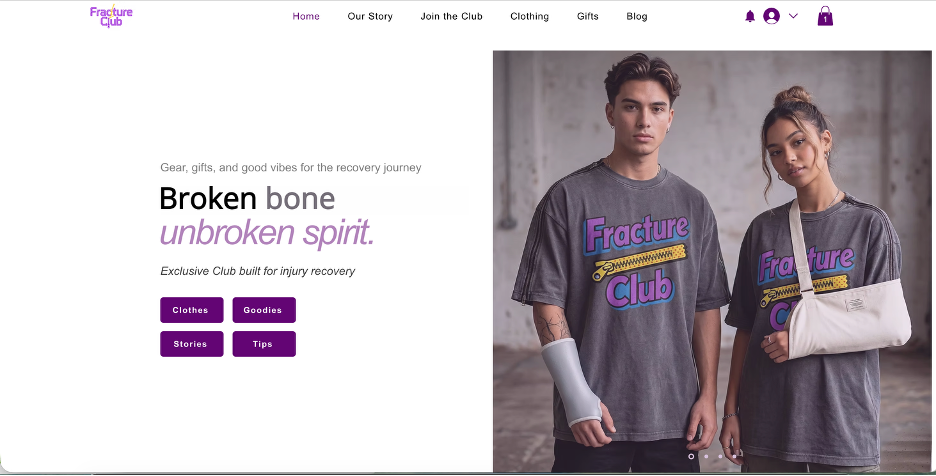
We built our recovery wear collection around the exact checklist above: easy-on/off tops, magnetic-zip pants, and pull-on sweatshirts designed so dressing never becomes another obstacle in your day.
[
](fracture-club.com)
A few places to start:
Our magnetic shoulder zip tee covers the easy-on/off top on your list.
Our adaptive recovery pants with side magnetic zippers cover the magnetic-zip pant.
Our easy-on/off sweatshirt works as your neutral layering piece.
Every piece is designed with the dressing sequence in mind, not added as an afterthought. Browse the collection and build your capsule one honest gap at a time.
FAQ
What should go in a recovery capsule wardrobe first?
Start with an easy-on/off top and a magnetic-zip or pull-on bottom, since these solve the two hardest parts of dressing with limited mobility. Add a layering piece and slip-on shoes next, then round out with base layers and one signature accessory.
How do I audit my closet without feeling overwhelmed?
Sort everything into three piles: keep, maybe, and donate, touching each item once. Seal the maybe pile in a box for a while; if you never reach for it, let it go without a second look.
What fabric should I choose for recovery clothing?
Look for a midweight knit like ponte or jersey with modest stretch, which holds its shape better than thin, overly stretchy fabric over repeated wear. Breathable, soft material also reduces irritation against healing skin or swelling.
How does clothing choice affect confidence during recovery?
Small expressive choices, such as a bold color or a signature accessory, help sustain a sense of vitality and connection even on hard days. Dressing with intention, rather than defaulting to whatever is easiest, supports both comfort and identity.
How should I adapt my capsule for swelling or a cast?
Prioritize roomy sleeve or leg openings, elastic waistbands, and flat seams that won’t press against sensitive areas. If swelling changes through the day, soft stretch fabric and side-opening garments accommodate those shifts better than fitted pieces.
Sources
Recommended
Comments